About the centre
CHIRAL Bangladesh — the Centre for Health Innovation, Research, Action and Learning — is an independent, volunteer-run research centre in Dhaka. We do computational health research, and we train undergraduate students to do it with us.
Why the centre exists
In most countries a science student meets real research in their final year, if at all. In Bangladesh the gap is wider: the appetite is substantial, the supervision capacity is not. Talented students reach graduation having never designed a study, cleaned a dataset, or read a reviewer's report on their own work.
CHIRAL was founded in 2020 by Md. Jubayer Hossain to close that gap directly — not with lectures about research, but by putting first- and second-year students on real projects with real supervision, and keeping them there until something is published.
What we work on
Four groups, arranged along a single axis of scale: molecular data, patient records, predictive models, and geographic space. A tumour study may start in Computational Biology and end in Bio-AI; a dengue study may span Public Health & Informatics and Geospatial Health. The groups organise supervision, not territory.
How we are run
Entirely by volunteers. Nobody is paid, and nobody pays to take part. Mentors are graduate students, postdocs, academics and industry data scientists who give a few hours a week. That model constrains how fast we can grow, and we accept the constraint deliberately: it keeps participation open to students who could not afford a fee-based programme.
What we commit to
- Students first-author their work. Supervision is not co-option.
- Analyses are reproducible. Code and pipelines are version-controlled and, wherever the data licence permits, public.
- Teaching material is open. Our bootcamp content stays free so the capacity remains in the region.
- Limitations are stated. In a data-scarce setting, honest uncertainty is more useful than a confident number.
Governance & affiliation
CHIRAL is the research arm of the DeepBio ecosystem, alongside DeepBio Limited and DeepBio Academy. It is led by Founder and Executive Director Md. Jubayer Hossain, organised into units under Group Leaders, and run against written policies covering recruitment, authorship, data governance and conduct — all of them public. See governance & accountability or read the dedicated founder profile.
To be completed — legal registration status and advisory board.
Funding
To be completed — current and past funding sources, or an explicit statement that the centre operates unfunded.
- Founded
- 2020
- Founder & Director
- Md. Jubayer Hossain
- Based in
- Dhaka, Bangladesh. Virtual HQ — no physical premises.
- Model
- Volunteer-run and non-profit, distributed by default. No fees charged, no stipends paid.
- Groups
- Computational Biology · Public Health & Informatics · Bio-AI · Geospatial Health
- Working languages
- English and Bangla
- Contact
- chiralbd@gmail.com
About the founder
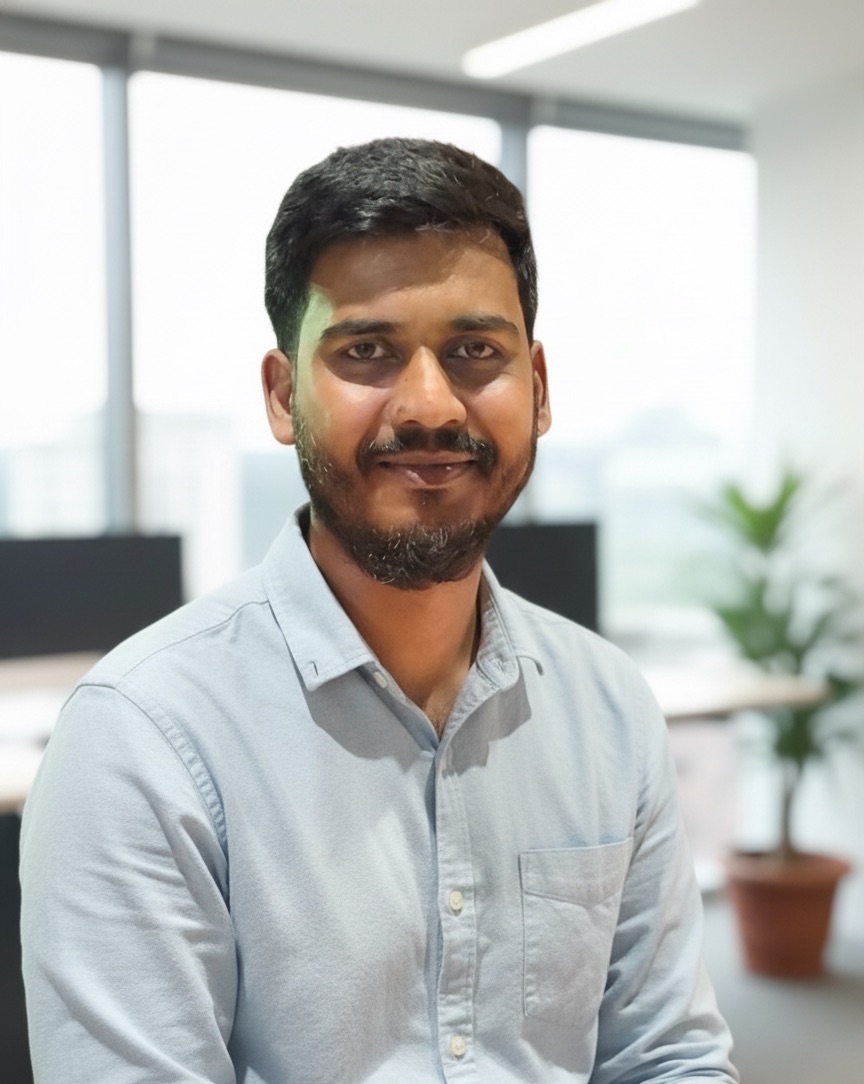
Founder & Executive Director
He founded CHIRAL Bangladesh in 2020 to pioneer an undergraduate-first research incubator in Bangladesh, training students to run real computational analyses and publish their findings as first authors.
A computational biologist and Nextflow Ambassador, he also serves as Visiting Scholar at Daffodil International University, Bioinformatics Faculty at cBLAST (University of Dhaka), and Senior Collaborator with the Global Burden of Disease study at IHME, University of Washington.
Where this began
CHIRAL exists because two teachers at the Department of Microbiology, Jagannath University, took the curiosity of founder Md. Jubayer Hossain and his early peers seriously before there was anything here to point to. Their encouragement in those first years — the questions asked, the time given, the belief that students could do real research — is the reason the centre was attempted at all. We record our deep gratitude to them.
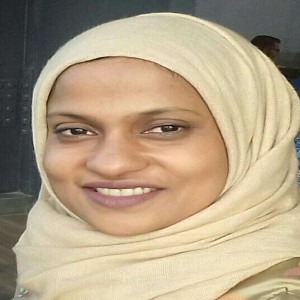
Dr. Syeda Tasneen Towhid
Associate Professor · Department of Microbiology
Jagannath University
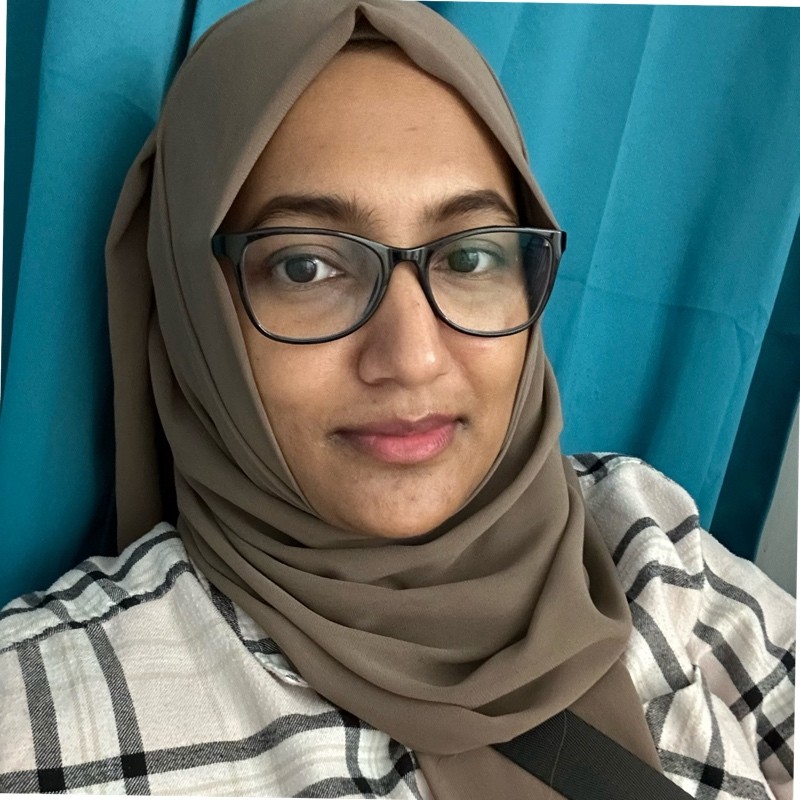
Sabia Sultana
Assistant Professor · Department of Microbiology
Jagannath University
Three ways in
As a student
Undergraduates in any relevant discipline, from first year onward. No prior coding required.
Apply →As a mentor
Graduate students, postdocs, academics and industry researchers, supervising a small team.
Volunteer →As an institution
Universities, hospitals and non-profits bringing a question, a dataset, or a joint proposal.
Collaborate →